[전문 & mp3] / [받아쓰기]
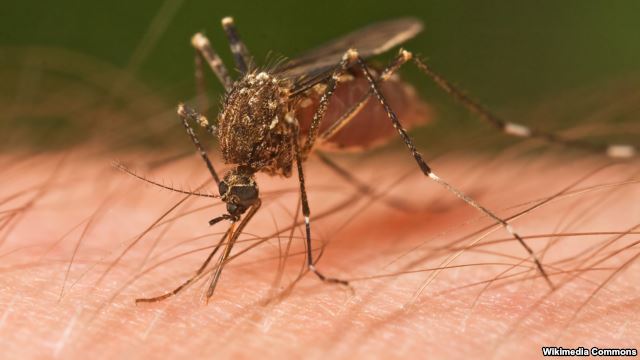
Mosquitoes have an extraordinary ability to target humans far away and fly straight to their unprotected skin. Regrettably, mosquitoes can do more than cause an itchy wound. Some mosquitoes spread several serious diseases, including Dengue, yellow fever and malaria. Over one million people worldwide die from these mosquito-borne diseases each year. New research now shows how mosquitos choose who to bite. Mosquitoes need blood to survive. They are attracted to human skin and breath. They smell the carbon dioxide gas -- which all mammals breathe out. This gas is how mosquitoes know that a warm-blooded creature is nearby. But mosquitoes also use their eyes and sense of touch. Michael Dickinson is a professor at the California Institute of Technology. His research shows how these small insects, with even smaller brains, use three senses to find a blood meal. "We suspected from research that we had been doing on fruit flies that vision might play a very large and underappreciated role in allowing the mosquito to really home in on the potential host target."
* extraordinary = 기이한, 놀라운; 대단한/ unprotected = 무방비의/ regrettably = 유감스럽게(도), 애석하게(도)/ itchy = 가렵게 하는, 가려운/ dengue = 뎅기열(모기를 통해 감염되는 열대 전염병의 하나)/ yellow fever = 황열병/ breath = 입김[숨]/ carbon dioxide = 이산화탄소/ mammal = 포유동물/ breathe out = 숨을 내쉬다/ warm-blooded = 온혈의/ nearby = 인근에, 가까운 곳에/ underappreciated = 인정을 덜 받는/ home in on ~ = ~으로 곧장 나아가다
Michael Dickinson's team used plumes – material that rises into the air -- of carbon dioxide gas into a wind tunnel. They then used cameras to record the mosquitoes. The insects followed the plume. Then, the scientists placed dark objects on the lighter colored floor and walls of the tunnel. Mr. Dickinson said, at first, the mosquitoes showed no interest in the objects at all. "What was quite striking and quite surprising is that the mosquitos fly back and forth for hours--these are hungry females--and they completely ignore the objects on the floor and wall of the tunnel. But the moment that they get a hit of CO2, they change their behavior quite dramatically and now would become attracted to these little visual blobs." This suggested to the researchers that a mosquito’s sense of smell is more important in the search for food. Once mosquitoes catch a smell of a human or animal, they also follow visual cues.
* plume = (연기, 수중기 등이 피어오르는) 기둥; (커다란) 깃털/ wind tunnel = 풍동/ striking = 눈에 띄는, 두드러진/ back and forth = 왔다갔다; 오락가락하는/ blob = (작은) 방울; (작은) 색깔 부분/ a smell of ~ = ~의 냄새/ visual cue = 시각(적) 단서