
Global Breaking News - Tuesday, October 6, 2026








   |
[Headlines] (HL-예술/취미/종교) After 19 Years, Japan Has a Sumo Grand Champion
최고관리자 | 17-01-28 04:20
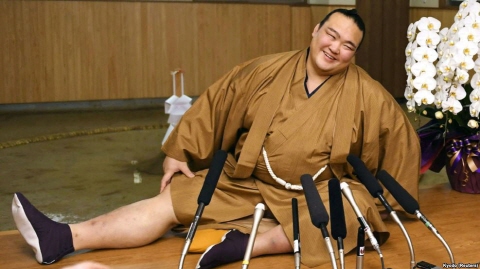
The sport of sumo wrestling started in Japan over 1,000 years ago. But the Japanese have not had a native sumo “grand champion,” known as a Yokozuna, since 1998. Sumo wrestlers known as Yokozuna compete at the sport’s highest level. That changed on Wednesday when a wrestler known as Kisenosato won his first championship at the New Year Grand Sumo Tournament. Kisenosato is a 30-year-old whose real name is Yutaka Hagiwara. He weighs 178 kilograms and stands 1.88 meters tall. Over the past 20 years, all the sumo grand champions have been from Mongolia, Hawaii and American Samoa. Usually, wrestlers must win two competitions back-to-back to become Yokozunas. But Kisenosato was recognized because of his latest victory and strong performances in recent events. Three other wrestlers currently compete at the Yokozuna level. Kisenosato said he would do his best to honor his new classification.
* native = 토박이의/ known as ~ = ~으로 알려진/ compete = (시합・경기 등에서) (~와) 겨루다, (시합 등에) 참가하다/ back-to-back = 연속해서, 잇따라; (사건 등이) 연속적인, 잇따른/ do one's best = 최선을 다하다/ honor = <약속 등을> 지키다, 이행하다; <임기를> 다하다/ classification = 범주, 유형; 분류
A 2015 survey showed that sumo wrestling is still the most popular sport in Japan. But other sports, like baseball, soccer, boxing and golf are rising in popularity. Sumo’s popularity suffered recently because of reports of scandals, including stories of young wrestlers being treated poorly by their mentors. Kisenosato’s success is big news in Japan. One Facebook user published an image showing his photograph on the front of six different newspapers. A Twitter user said the title of Yokozuna comes with a lot of responsibility. “I am confident he will deliver.”
* suffer = 더 나빠지다, 악화되다; (부상・패배・상실 등을) 겪다[당하다]/ mentor = 멘토/ come with ~ = ~을 수반하다; ~이 따라오다, 동행하다/ confident = 확신하는/ deliver = (약속을) 지키다; (사람들의 기대대로 결과를) 내놓다[산출하다]
|
|